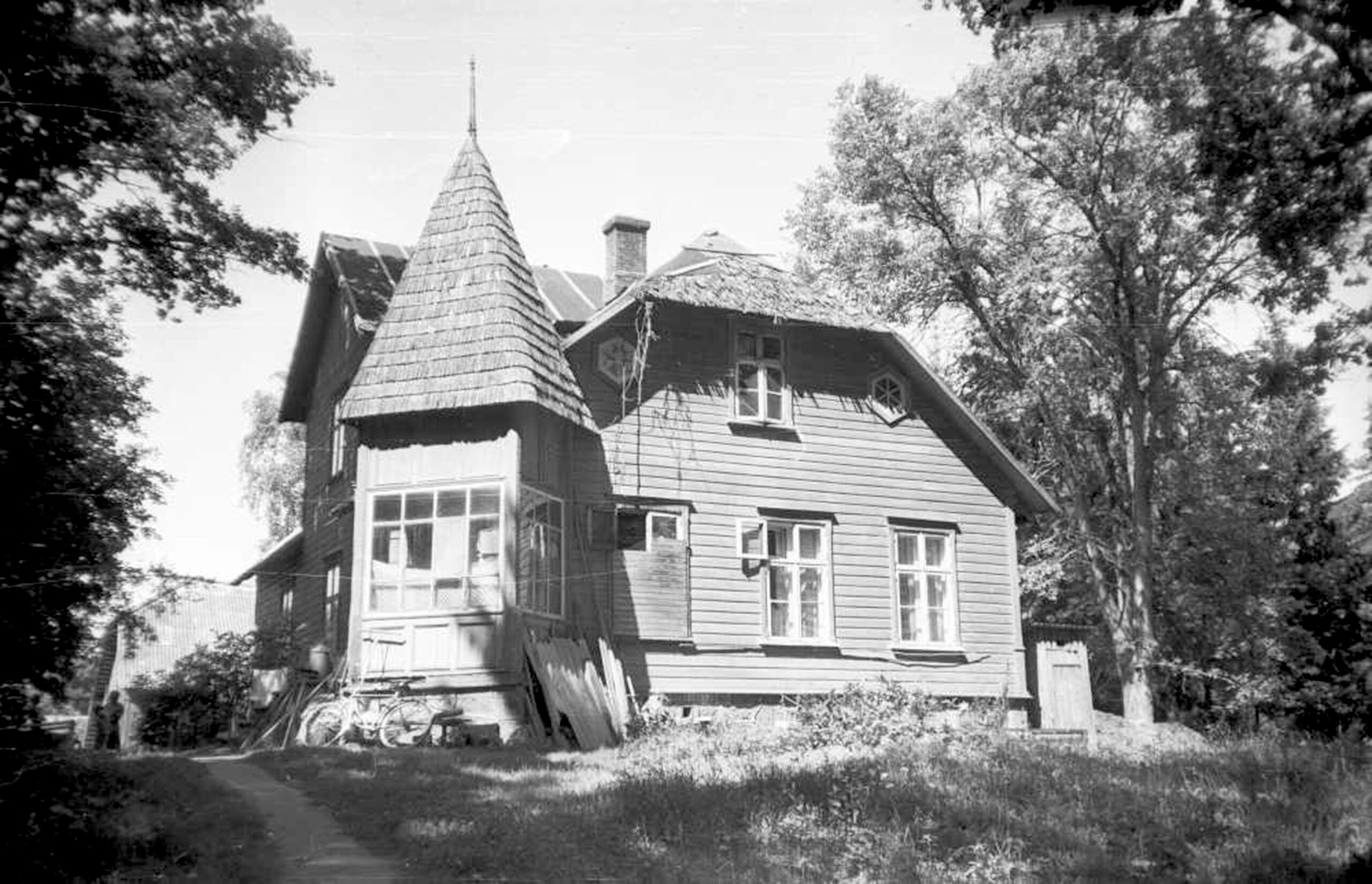
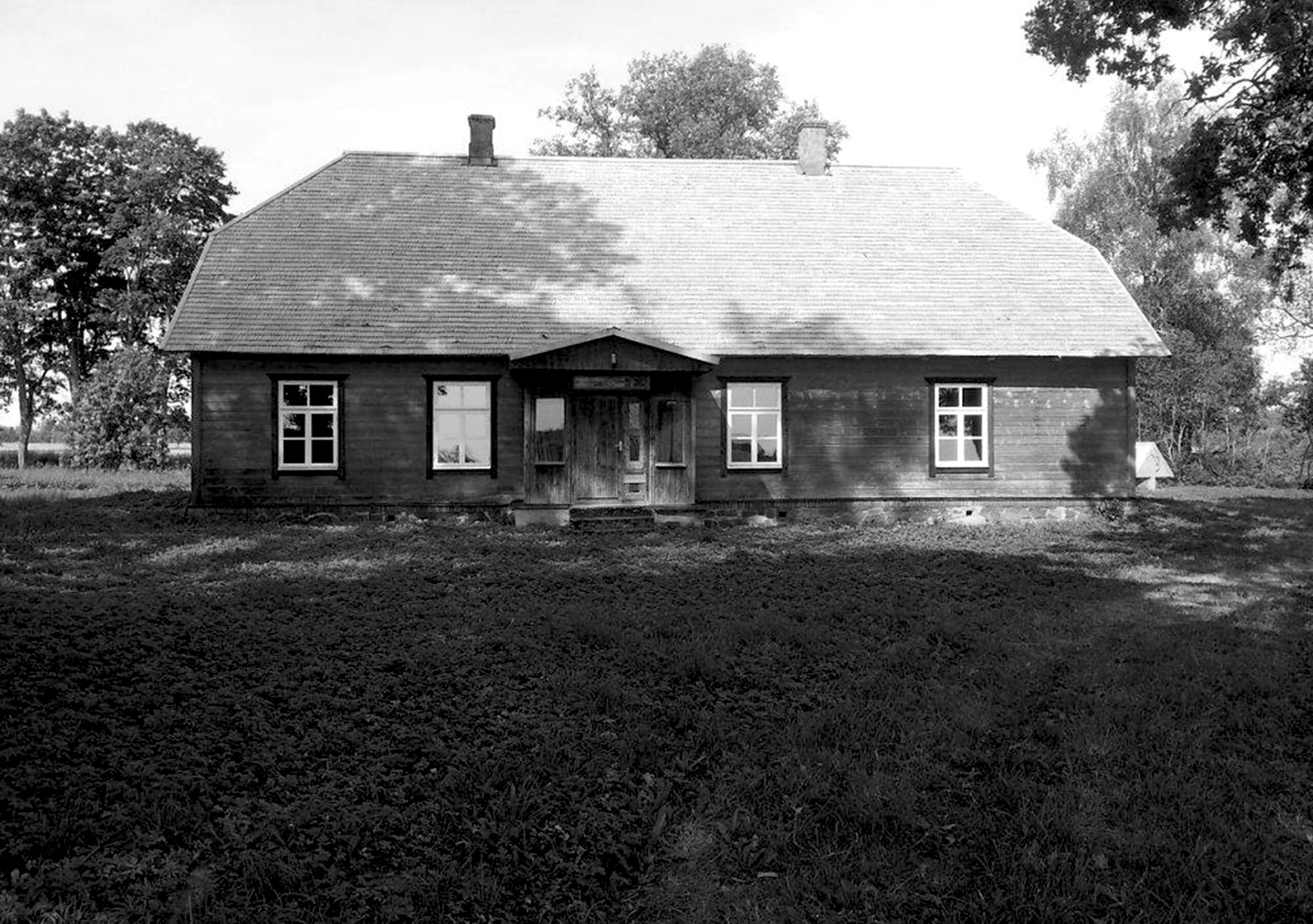
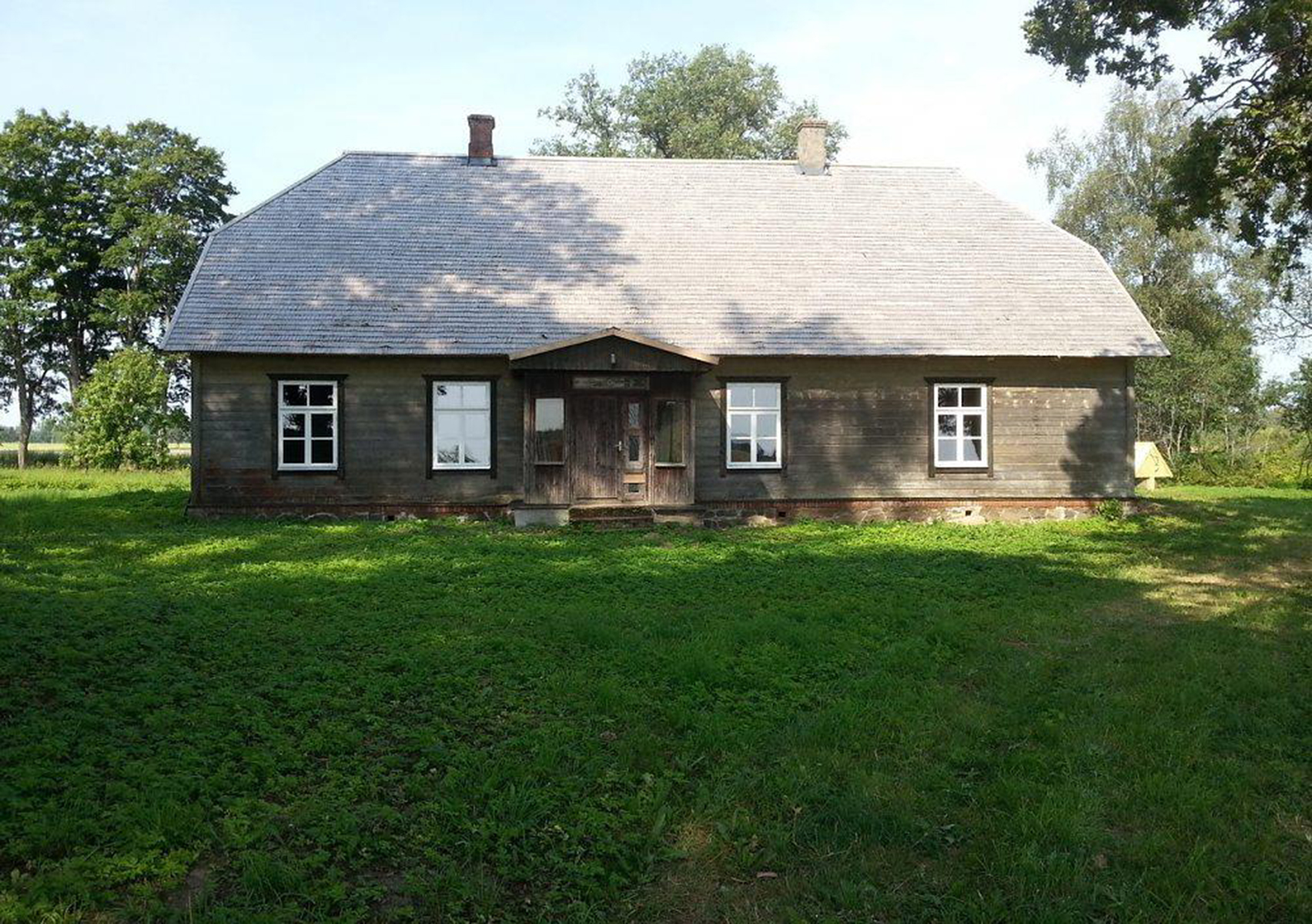
The first manor houses were constructed immediately after the first farmsteads were purchased, between 1850 and 1860. The highest number of manor houses were built in the Halliste, Karksi, and Helme parishes. Externally, they resembled the contemporary parish houses, rectories, and simpler German landlords’ owned manor houses, but they were not significantly different from the traditional ’rehetare’ barn dwellings either. A typical manor house was relatively long, quite low, single-story, with a half-hipped roof and horisontal board siding. In modern farmstead family houses, separate rooms were established for the family and the hired workers and help working in the farm.
ALBI FARM
Albi Farm was purchased by Märt Wiera from the Uue-Kariste (Halliste parish) landlord in 1865, and the other half in 1870. The farm covered an area of 104.5 hectares and was bought for 2651 rubles and 66 kopeks at that time. In the early 1890s, the farm was taken over by Märt’s son Peeter, who built the family house. The total area of the building is 216.60 m2. Due to its size, the new house had two chimneys and two entrances: the main entrance, also known as the “clean entrance,” provided access to the owner’s living quarters, while the secondary entrance, the everyday entrance, led to the kitchen and the farmworkers’ rooms. The owner’s section was representative, with fine furniture and festive. The hall had an Art Nouveau interior, wall and ceiling paintings, and a tiled stove. The servants’ section was simple, furnished with handmade furniture and practical.
In 1934, Peeter passed the farm on to his son Märt Viir, who was a recognised doctor. However, both of them died during World War II. The maid, L. Vakermann, managed to process the necessary paperwork so that she was recognised as the rightful heir of Albi. Thus, the maid became the mistress of the farmstead. During the Soviet era no one was allowed any private property, she and her family were forced to live in the farm as tenants and at times shared the house with another working-class family. Today, the manor house still stands and remains privately owned.
Puisi talu elumaja Foto: ERM Fk 2865:69, Eesti Rahva Muuseum
Puisi talu elumaja Foto: ERM Fk 2865:69, Eesti Rahva Muuseum